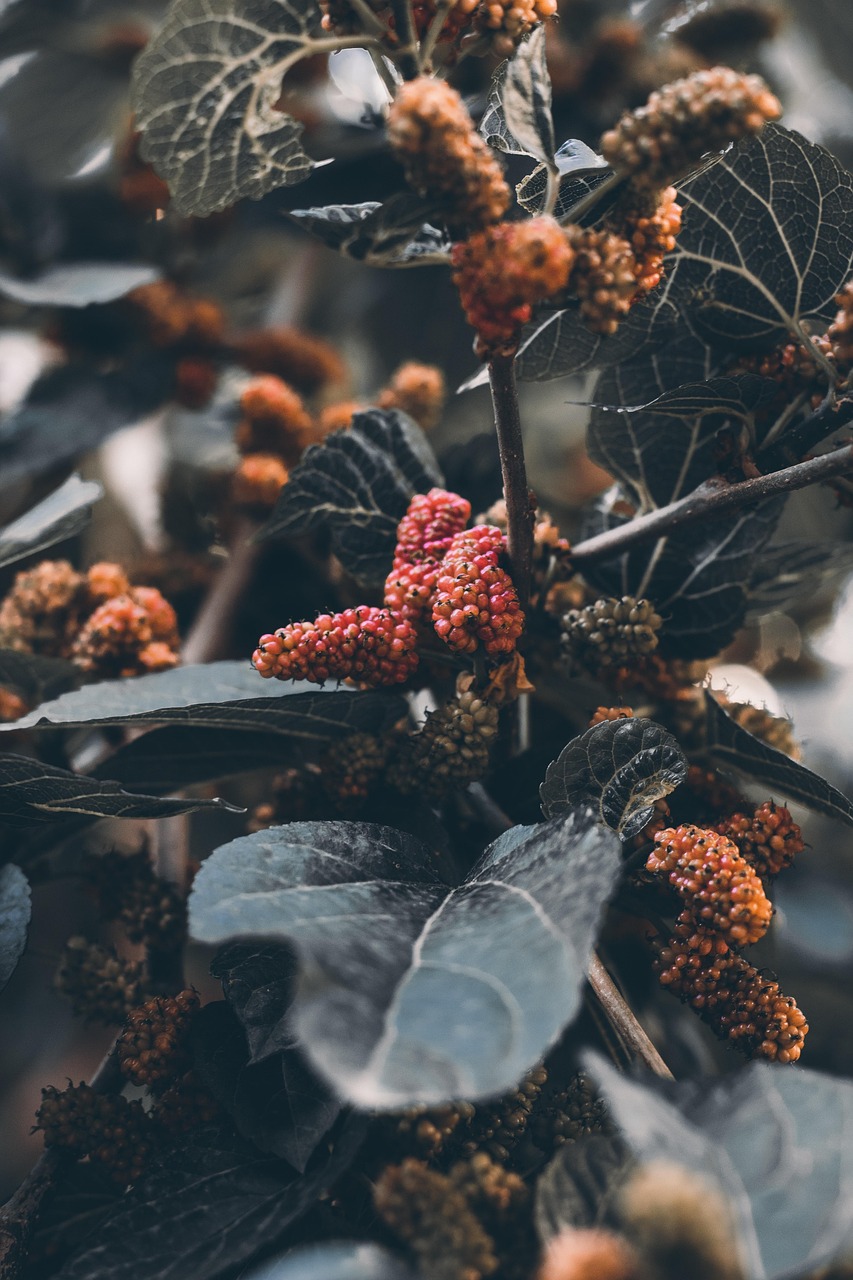
Mulberry, known for its rich history and exquisite fruit, has become a popular commodity among farmers and sellers in Mesa, Arizona. With a thriving local market and a growing demand from chefs and home cooks alike, selling mulberry can be a lucrative enterprise. This guide is tailored to help sellers maximize their potential, offering insights into every aspect of the process, from cultivation and harvesting to marketing and sales strategies.
I. Understanding the Mulberry Market in Mesa
Before diving into the selling process, understanding the local market dynamics is crucial. Mesa’s unique climate and fertile soil make it an ideal location for mulberry cultivation. This section will outline key aspects of the market:
A. Local Demand and Trends
- Chef Preferences: Many high-end restaurants in Mesa value fresh, locally sourced ingredients. Mulberry is a versatile fruit that can be used in diverse dishes, making it a favorite among chefs.
- Home Cooking: Home bakers and enthusiasts appreciate mulberry for its unique flavor and beauty, driving demand for fresh berries at farmers’ markets.
- Seasonal Variations: Like most fruits, mulberry has a peak season (typically spring to early summer). Sellers should be prepared to adjust pricing and marketing strategies during these times.
B. Competitors and Pricing
- Local Farmers: Research other sellers in Mesa offering mulberry. Understand their pricing and unique selling points to find your competitive edge.
- Wholesale vs Retail: Decide whether to focus on wholesale sales to restaurants or retail sales at farmers’ markets and specialty stores. Prices often differ between these channels.
- Pricing Strategies: Consider factors like production costs, seasonality, and market demand when setting prices. Offer discounts for larger orders to attract bulk buyers.
II. Cultivating and Harvesting Mulberry
For sellers aiming to grow their own mulberry, this section provides essential cultivation and harvesting tips:
A. Choosing the Right Mulberry Varieties
- Mesa’s Climate: Select cultivars suitable for Mesa’s climate zone. Popular varieties include ‘Black Pearl’, ‘Morello’, and ‘White Mulberry’. Each has distinct flavors and uses.
- Soil Conditions: Ensure your soil is well-drained and slightly acidic, with a pH between 6.0 and 6.8. Amend the soil as needed to meet these requirements.
- Planting Distance: Space trees appropriately for good air circulation, typically 15-20 feet apart. This promotes healthy growth and reduces pest issues.
B. Care and Maintenance
- Watering: Mulberry trees require consistent watering during dry periods. Aim for about 1 inch of water per week.
- Fertilization: Use a balanced fertilizer in early spring to encourage robust growth and fruit production. Follow package instructions for the correct application rate.
- Pruning: Prune trees in late winter or early spring to remove dead or diseased branches and promote new growth.
C. Harvesting at the Right Time
- Optimal Ripeness: Mulberry is best harvested when fully ripe, indicated by a deep color and slightly soft texture. Taste test individual berries for ideal sweetness.
- Timing: In Mesa, peak harvest typically occurs from late May to early June. Keep an eye on weather forecasts to plan harvesting around favorable conditions.
- Careful Harvesting: Use sharp scissors or pruning shears to cut the stems, avoiding damage to the branches. Gently remove berries to prevent crushing.
III. Selling Mulberry: Effective Strategies
This section delves into the art of selling mulberry, ensuring you reach the right customers and maximize profits.
A. Marketing Your Mulberry
- Create a Brand: Develop a unique brand name and logo for your mulberry business. Use social media platforms to showcase your product’s quality and share interesting recipes.
- Local Farmers’ Markets: Participate in Mesa’s farmers’ markets, where you can directly engage with customers and build a loyal following. Offer samples to attract passersby.
- Online Presence: Build an engaging website showcasing your mulberry varieties, pricing, and ordering information. Utilize social media platforms like Instagram and Facebook for visual appeal and customer interaction.
B. Sales Channels and Pricing
- Wholesale Suppliers: Reach out to local restaurants, cafes, and food service businesses to offer wholesale mulberry. Present your product as a high-quality, locally sourced ingredient.
- Retail Sales: Sell at farmers’ markets, specialty food stores, and health food shops. Offer smaller, retail-friendly packages for individual consumers.
- Pricing Flexibility: Consider tiered pricing based on quantity. Discounts for larger orders can attract bulk buyers while ensuring fair prices for smaller purchases.
C. Building Customer Relationships
- Loyalty Programs: Implement a loyalty program to reward repeat customers, offering discounts or free add-ons after a certain number of purchases.
- Email Marketing: Collect email addresses and send out newsletters featuring new products, recipes, and special offers.
- Customer Service: Provide excellent customer service, ensuring prompt responses to inquiries. Offer substitutions or refunds if customers are not satisfied with the quality.
IV. Post-Harvest Care and Storage
Proper post-harvest care ensures your mulberry remains fresh and of high quality:
A. Washing and Packaging
- Gentle Washing: After harvesting, gently rinse berries to remove any dirt or debris without damaging them. Pat dry with a clean cloth.
- Packaging Options: Use breathable packaging like paper bags or boxes lined with paper. Avoid plastic to prevent moisture buildup and mold.
- Labeling: Clearly label packages with the date, variety, and ‘Best By’ date for optimal freshness.
B. Storage Tips
- Refrigeration: Store mulberry in the refrigerator to extend its shelf life by a week or more. Keep them in a single layer on a tray to prevent mold.
- Freezing: For longer storage, freeze mulberry in small portions. Blanch them briefly before freezing for best results and texture.
- Drying: Dry excess berries for later use in baking or as a healthy snack. Slice berries thinly and dehydrate at a low temperature until crisp.
V. FAQ: Answering Common Seller Concerns
Addressing common questions can help put nervous sellers at ease:
A. How do I know if my mulberry is ready for harvest?
Mulberry is typically ready for harvest when the berries have reached their full color and are soft to the touch. Taste a berry to ensure it’s sweet, as this indicates optimal ripeness.
B. Can I sell mulberry directly from my home kitchen?
In many areas, including Mesa, selling food directly from a home kitchen is regulated by local health departments. Check with your local authorities to obtain the necessary permits and understand any restrictions on home-prepared foods.
C. How long do mulberries last after harvest?
With proper storage, fresh mulberry can last up to a week in the refrigerator. Frozen berries can last for several months. Dried mulberry has an even longer shelf life, typically 6-12 months.
Conclusion
Selling Mulberry in Mesa offers a rewarding opportunity for farmers and enthusiasts alike. By understanding the local market, cultivating high-quality fruit, employing effective marketing strategies, and ensuring proper post-harvest care, sellers can establish a successful mulberry business. With its unique flavors and health benefits, mulberry is sure to captivate customers, making it a valuable addition to any local food scene.